
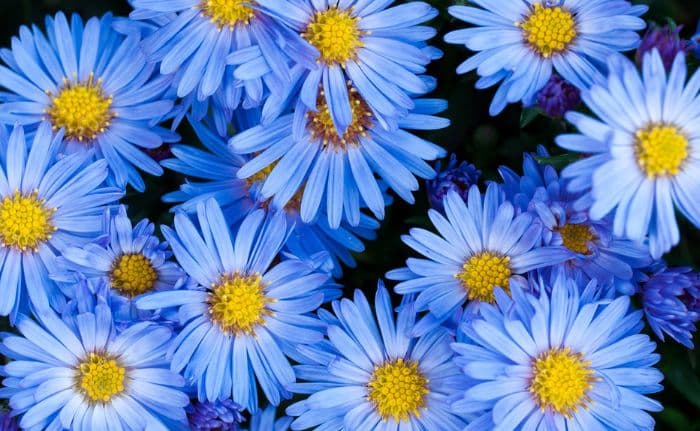
Learn About Aster Flower Meaning And Symbolism
Want to know more about aster flower meaning and what this bloom symbolizes? Asters are tone of my favourite flowers. Their star‑shaped blooms brighten gardens just as summer fades into fall, adding colour at a moment when most plants are winding down.

But their appeal isn’t only visual. For centuries, people have turned to Asters to express emotion and mark meaningful moments, This is a flower with history, symbolism, and a surprising amount of heart—let’s explore what makes it so special.
In A Hurry?
Aster Flower Meaning at a Glance
- Symbolizes: love, wisdom, faith, remembrance
- Birth flower: September
- Common meanings: patience, elegance, affection
- Best for: birthdays, gratitude, sympathy
This is a long post; please use our table of contents to jump straight to the section that interests you.
- What Does the Aster Flower Represent?
- Aster as the September Birth Flower
- What Do Different Aster Colours Symbolize?
- Aster Flower Meaning in Modern Life
- Aster Flower Language (Floriography)
What Do Aster Flowers Represent?
Honestly, Asters have a way of speaking softly but meaningfully. Their symbolism stretches across centuries, offering gentle messages that fit many moments in life. Some of the most common associations include:
- Patience – a quiet reminder that some things unfold in their own time
- Elegance & daintiness – beauty expressed in a simple, understated way
- Love & affection – a tender way to show you care
- Wisdom – insight shaped by experience
- Faith – trust in the path ahead or in someone special
- Valor – courage when it matters most
- Afterthought/wistfulness – the feeling of wishing something had gone differently
- Love of variety – celebrating uniqueness and diversity
- Hope & optimism – encouragement during uncertain times
- Protection & good fortune – a subtle symbol of safety and well‑being
Why Are Asters Associated With These Meanings?
Why is this so? Much of the Aster’s symbolism comes from the flower itself and the stories that surround it:
- Their star‑shaped petals naturally evoke ideas of guidance, clarity, and the night sky.
- Their late‑season bloom time makes them a symbol of endurance and resilience.
- Their place in myth and folklore ties them to themes of love, purity, protection, and remembrance.
Symbolism of the Aster’s Star Shape
The star-like form of the aster carries its own layer of meaning:
- A symbol of clarity, guidance, and hope
- A reminder of connection—to nature, to others, or to something larger than ourselves
- A reflection of the universal way stars have inspired stories, wishes, and meaning across cultures.
But that’s not all
Aster as the September Birth Flower
Perhaps unsurprisingly, Asters are best known as one of September’s birth flowers, blooming just as summer transitions into autumn. Their timing, symbolism, and long history make them a fitting emblem for this changing season.
Why Are Asters the September Birth Flower?
After all, Asters naturally bloom in late summer and early fall, which helped establish their connection with September celebrations.
- Peak blooming season occurs in early autumn.
- Represents transition, renewal, and reflection
- Symbolizes patience and wisdom gained over time
- Adds colour and life as many other flowers begin to fade
Because of this seasonal timing, Asters came to represent resilience and quiet strength.
Asters and Astrology
The symbolism of asters is sometimes linked to zodiac themes associated with early fall.
- Associated with Virgo, a sign connected with purity, thoughtfulness, and attention to detail
- Occasionally connected with Libra, reflecting balance and harmony.
- The star-shaped bloom evokes celestial symbolism often associated with astrology.
These associations reinforce the flower’s themes of clarity, balance, and guidance.
FInd more fall flowers for your garden
Aster Anniversary Meaning
Beyond birthdays, Asters also symbolize milestones in celebrations.
- Traditionally linked with the 20th wedding anniversary
- Symbolizes lasting love, patience, and enduring partnership
- Represents a relationship that continues to grow and deepen over time
Giving Asters for anniversaries reflects appreciation for a bond that has matured through shared experiences.
What Do Different Aster Colours Symbolize?
Next, while all Asters share themes of love, faith, and wisdom, their colours add more specific layers of meaning. Choosing a particular shade can subtly change the message a bouquet conveys.
White Aster Flower Meaning
White Asters reflect simplicity and sincerity, making them popular for meaningful life moments.
- Purity and innocence
- New beginnings
- Honesty and remembrance
- Spiritual devotion
Frequently used in weddings, sympathy arrangements, and memorial bouquets.
Pink Aster Flower Meaning
Soft and gentle in appearance, pink Asters communicate warmth and affection.
- Love and tenderness
- Gratitude and appreciation
- Feminine elegance
- Kindness and joy
A thoughtful choice for thank-you gifts or gestures of affection.
Blue Aster Flower Meaning
Blue Asters carry calming energy and emotional depth.
- Trust and loyalty
- Faithfulness in relationships
- Peace and calm
- Stability and reassurance
Often associated with long-lasting friendships and dependable bonds.
Red Aster Flower Meaning
Red Asters express stronger emotions than softer shades.
- Passion and romance
- Deep love
- Courage and intensity
- Strong emotional connection
Suitable for romantic occasions or heartfelt declarations.
Yellow Aster Flower Meaning
Bright and cheerful, yellow Asters bring an uplifting message.
- Joy and positivity
- Optimism and encouragement
- Friendship and happiness
- Celebration and good energy
Perfect for congratulations, celebrations, or simply brightening someone’s day.
Purple Aster Flower Meaning
Purple Asters are the most commonly recognized variety and carry a sense of quiet elegance.
- Wisdom and insight
- Royalty and dignity
- Spiritual awareness
- Admiration and respect
Often given to honor achievements or express deep appreciation.
Aster Flower Meaning in Modern Life
Moreover, while Asters carry centuries of symbolism, their meanings still feel relevant today. Whether given as a thoughtful gift or chosen for a seasonal bouquet, these flowers continue to express emotions in simple and meaningful ways.
When to Give Asters
Quite simply, because Asters symbolize love, faith, and remembrance, they suit a wide range of occasions.
- September birthdays – as the traditional birth flower of the month
- Anniversaries – especially the 20th wedding anniversary
- Romantic gestures – red and pink asters express affection and admiration
- Friendship gifts – yellow or blue asters symbolize trust and positivity.
- Thank-you bouquets – pink asters convey gratitude and appreciation.
- Sympathy or remembrance – white and purple asters offer comfort and reflection
- Celebrations of milestones – new beginnings, graduations, or life transitions
Their gentle appearance makes them meaningful without feeling overly formal.
What Asters Symbolize Today
In modern flower language, Asters often represent emotional qualities people value in everyday relationships.
- Encouragement and hope during times of change
- Lasting friendship and loyalty
- Quiet strength and resilience
- Thoughtfulness and sincerity
- Remembering someone with warmth and affection
Because they bloom as seasons shift, asters are often seen as symbols of transition and personal growth.
Spiritual and Personal Symbolism
For many people, Asters carry a more personal or reflective meaning.
- A reminder to stay hopeful during uncertain moments
- Symbol of guidance and inner clarity
- Connection to cycles of change and renewal
- Appreciation for beauty found in simple things
Their star-shaped blooms continue to inspire associations with light, guidance, and calm reassurance.
Aster Flower Language (Floriography)
Here’s something really interesting. Victorians enjoyed using flowers to communicate feelings that were often left unspoken. This practice, known as floriography, gave specific meanings to different blooms, allowing bouquets to carry quiet messages.
During the Victorian era, people used flowers to express messages without words. Asters became part of this symbolic language, known as floriography.
Historical Messages Conveyed by Asters
In Victorian flower language, Asters symbolized thoughtful emotions and gentle reassurance.
- Symbol of faith and devotion
- Associated with elegance and refinement
- “I remember you.”
- Used to convey gentle romantic feelings
- “You are elegant and admired.”
- Sometimes meant “I trust you” or “Take care of yourself for me.”
- “Our bond endures.”
Because Asters bloomed late in the season, they were often associated with lasting feelings. Bouquets meant to express subtle affection or admiration would often contain Asters.
How Asters Were Used in Victorian Bouquets
Asters rarely took center stage on their own. Instead, people paired them with other flowers to shape and refine the message they wanted to send.
- Paired with roses to express romantic admiration
- Added to mixed bouquets to symbolize trust and loyalty
- Included in farewell arrangements as a sign of remembrance
- Used in sentimental gifts between friends and family
Their delicate, star-like flowers allowed them to communicate emotion subtly, making them ideal for meaningful but understated gestures.
Final Thoughts on the Meaning of Aster Flowers
Let’s recap. With their star-shaped blooms and gentle presence, Asters have carried symbolic meaning across centuries and cultures. From ancient mythology and spiritual traditions to modern gardens and bouquets, they have come to represent love, wisdom, remembrance, and quiet strength.
Their late-season bloom also reminds us that beauty and renewal often arrive when the year begins to slow, offering a sense of hope and reflection.
Whether given as a thoughtful gift, planted in a garden, or chosen as a birth flower, Asters continue to symbolize heartfelt connection and enduring affection, making them flowers that feel both timeless and deeply personal.