
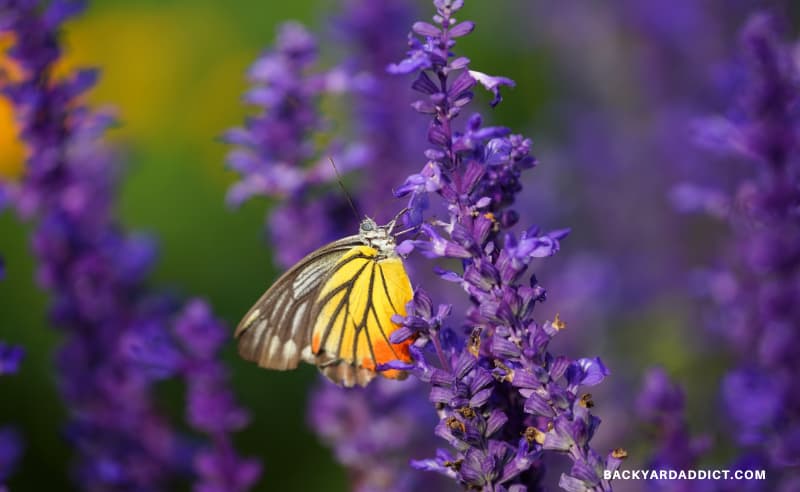
The Best Purple Perennials for Your Garden: Sorted By Season
Looking to add some color to your garden? Why not try purple perennials? From beautiful purple groundcovers to tall flowering plants, there is something for every garden and budget. We sorted the plants by the seasons in which they bloom, so you can plan for a continual display of purple throughout the growing season. And if you’re unsure how to use purple perennials in your garden, we included a few tips at the end of the post just for you!

25 Showstopping Purple Perennials To Beautify Your Yard
Do you love purple perennials as much as I do? There is something about the color purple that draws my eye and empties my pocketbook! I find it very hard to resist a vibrant purple flower.
There are many shades of purple, and you can certainly find one (or more) to suit your fancy. Personally, I prefer the vibrant dark purple flowers over the pastel lilacs. And since everything listed is a perennial, you can plant and enjoy these plants for years.
Here are some of our favorites: I have sorted them by bloom time so you can easily find what you are looking for. You will surely find the perfect plant to add some purple to your garden!
Let’s jump right in at the start of the growing season.
Purple Perennials That Bloom in Spring
Finally, after the long winter, spring bursts forth. Isn’t it wonderful to see that new growth after the long winter? And purple is a great way to celebrate the start of the growing season. Below is a list of our favorite purple perennials that bloom in spring.
Bearded Iris
- Height: 1-2 feet
- Spread: 1-2 feet
- Zone: 3-9
- Light needs: full sun
- Type of soil: well-drained
- Things of interest: Deer and drought resistant. Toxic to pets.
Looking for a show-stopping flower to add to your garden? The Purple Bearded Iris is sure to turn heads. These stunning flowers are perfect for adding a touch of elegance and style to any garden.
Each Purple Bearded Iris flower has six petals that alternate in direction, giving the flower a unique and beautiful appearance. The flower head grows in the shape of a fan, with ruffled petals that look like silk. The flowers bloom on tall stalks above blue-green sword-like leaves, making them a striking addition to any garden.
Lamium
- Height: 4″ to 8″
- Spread: 20″
- Zone: 3 through 8
- Light needs: Full or partial shade
- Type of soil: 6 to 7 pH well, draining, moist dirt
- Things of interest: Deer and cold-resistant
Looking for a low-maintenance ground cover that tolerates dense shade? Lamium fits the bill! This tough little plant is perfect for filling in those tricky shady spots in your garden where other plants just won’t grow. It’s also ideal for containers, rockeries, and edging plants.
Lamium leaves are tear-shaped with a toothed margin and can be yellow lime green, or white. Small purple flowers bloom above the foliage in clusters. Some varieties also have variegated leaves, which can add an extra splash of color to your garden.
Lamium can take over your flower bed, so you need to keep it trimmed back, but it is perfect if you have a shady area to cover.
Crocus
- Height: 3-4″
- Spread: 3-4″
- Zone: 3 through 9
- Light needs: sun to partial shade
- Type of soil: well-draining, nutrient-rich
- Things of interest: Deer resistant -provides food for bees when very few flowers are available
Crocus is one of the earliest plants to flower in our garden, and they bring a welcome pop of color after the long winter. They are perfect for naturalizing in grassy areas or under trees.
These tough little plants feature narrow, grass-like leaves with small cup-shaped blooms in gorgeous hues, including purple. The flowers grow amidst small grass-like leaves with lighter stripes down the middle, adding extra interest and charm.
Crocus is a great nectar source for bees emerging from their winter hibernation. So not only do they add color to your garden, but they also provide an essential food source for our pollinators.
Lupine
- Height: 3′ to 4′
- Spread: 1′ to 1.5′
- Zone: 3 through 8
- Light needs: full
- Type of soil: well-draining, moist, acidic to neutral rich, sandy,
- Things of interest: Toxic to people, pets, and livestock. Deer resistant
Looking for a beautiful and unique addition to your garden? Lupines are perfect! These fantastic flowers will add beautiful color and texture to your flower beds and are easy to care for. The foliage is also eye-catching, with seven to 10 leaflet segments adding visual interest once the plant has flowered. Lupines come in various colors, including purple.
The real showstoppers are the tall, erect flower spikes that emerge from the foliage. The flowers resemble peas or sweet peas and grow in densely packed spires.
Lupines are short-lived perennials and will return for about 4 years before dying. However, they self-seed readily, so you don’t have to worry about repurchasing them. We have Lupines all over our zone 3 garden and have to weed them out regularly.
Pasqueflower
- Height: less than 6.”
- Spread: 6″ to 12″
- Zone: 4 through 8
- Light needs: full sun to partial shade
- Type of soil: well-draining, alkaline to neutral pH, hummus or sandy soil
- Things of interest: rabbit proof. Drought-tolerant and will also withstand cold winters and dry climates.
Looking for something a little different in your garden? Try growing Pasqueflowers. These lovely flowers come in various colors, including bluish-purple, dark violet, reddish-purple, and white. They’re perfect for adding a pop of color to any garden bed or border.
Pasqueflowers are also known for their wispy seed heads, fuzzy buds, and stems, which are covered in silky hairs. The foliage is lacy and silver or grayish-green, making it a stunning backdrop for the beautiful flowers.
Whether you’re a seasoned gardener or just getting started, Pasqueflowers are easy to care for and make a beautiful addition to any garden.
Primula
- Height: 6″ to 20″
- Spread: 8″ to 20″
- Zone: 3 to 8
- Light needs: partial shade
- Type of soil: acidic, well-draining, moist with heavy organic matter
- Things of interest: toxic to pets and humans
Welcome to the world of Primula, one of my favorite spring flowers! Mounds of dark green, crinkled oval leaves appear first, and then the magic happens. Clusters of star-shaped blossoms appear, adding a touch of magic to any garden. They bloom early and keep their vibrant color all the way until summer. Sometimes they continue flowering into the summer months.
Once the flowers disappear, the attractive leaves add texture and interest to the garden until the plants go dormant. Primulas are easy to care for and will add beauty and charm to your home for many years.
Rockcress
- Height: 6″ to 12″
- Spread: 1′ to 2′
- Zone: 4 to 7
- Light needs: full sun to some shade
- Type of soil: slightly acidic fair soil with good drainage and a light pine needle mulch
- Things of interest: leaves and flowers edible
Looking for a low-maintenance ground cover that will add a splash of color to your landscape? Purple Rockcress might just be the perfect plant for you!
This little gem grows in short mounds close to the ground and is covered in small, fragrant pink, white, or purple flowers. The gray to green foliage is the perfect backdrop for the colorful blooms. Rockcress is also super easy to care for – just let it spread and mound naturally, and enjoy the beauty it brings to your yard next spring.
Creeping Phlox
- Height: 6″ to 12″
- Spread: 9″ to 18″
- Zone: 3 to 9
- Light needs: partial to full sun
- Type of soil: alkaline, acidic, or neutral well-drained loamy
- Things of interest: attracts pollinators and butterflies. Creates thick ground cover
Creeping phlox is another of my favorite groundcovers, and this tough little plant will fill your garden with a burst of color each spring.
This low-growing plant forms mats of dense, bright green needle foliage with long stems that spread outwards. In spring, it bursts into bloom with a profusion of fragrant, star-shaped flowers.
Creeping phlox is an easy-care plant perfect for filling in bare spots in the garden or creating a colorful ground cover. It’s also an excellent plant for attracting pollinators to your yard.
Once the flowers have died, the vibrant green foliage continues to look beautiful. I find it is very effective at keeping the weeds at bay and holding onto moisture during hot, dry days. It provides a living mulch for other plants.
Purple Perennials to Enjoy During Summer
What could be better than long summer days full of flowers and sunshine? We’ve got some stunning purple perennials that bloom in the summer months. Look at our finds and see if you can spot some winners for your garden.
Astilbe
- Height: 6″ to 24″
- Spread: 6″ to 60″
- Zone: 3 through 8
- Light needs: full to partial sun
- Type of soil: moist, loamy neutral to acidic soil
- Things of interest: flowers last for weeks in bloom
Add some elegance to your garden with Astilbe! These purple perennials feature long-lasting lacy plume flowers on tall, stiff stalks.
The airy fern foliage is a delightful contrast to the colorful blooms, which come in several shades, including purple.
Astilbes grow in dense clumps and are a dramatic addition to any landscape. The stalks can be erect or arching, adding interest and movement to the garden.
Plant Astilbe in moist, well-drained soil in partial shade for best results. With their easy care requirements and stunning good looks, Astilbe is a must-have for any gardener!
Peach Leaved Bellflower
- Height: 1-3 feet
- Spread: 1-2 feet
- Zone: 3-8
- Light needs: full to partial sun
- Type of soil: medium, average, well-draining soils
- Things of interest: disease and pest free also Deer resistant
The Peach Leaved Bellflower is one of the easiest purple perennials to grow. It will add color and charm to your garden for years to come. This clump-forming perennial has gorgeous cup-shaped lilac flowers bloom on tall, sturdy stems. The foliage comprises narrow, toothed, bright green leaves resembling the peach tree’s leaves (hence the name).
Bellflowers thrive in our garden. We planted them because they are Deer resistant, and we found they thrive on neglect. Just deadhead the flowers to keep them blooming; that is all the care they need.
Delphinium
- Height: 4-6′
- Spread: 1-2′
- Zone: 3 through 7
- Light needs: partial to full sun
- Type of soil: neutral to alkaline well-draining fertile
- Things of interest: attracts butterflies
Looking for a dramatic, show-stopping addition to your garden? Delphiniums are a great option! These beautiful plants feature showy spikes of colorful flowers that rise up from a mound of attractive foliage. The leaves have multiple toothed, pointed lobes that grow in a palmate shape (meaning they are shaped like the palm and fingers of your hand).
Delphiniums are perfect for adding height to flower beds, so use them at the back of borders for maximum impact. And because they can get quite tall, you’ll want to stake them so the flower stalks don’t break in the wind.
Many sites say Delphiniums are hard to grow, but we have two thriving in our dry clay soil (zone 3 garden). We do not pamper our plants; they survive on their own or die. I deadhead the flowers when they finish, but that’s all the care they get.
Finding this post helpful? Take a look at our other lists of flowers.
Spike Speedwell (Purple Illusion )
- Height: 1-2′
- Spread: 1-2′
- Zone: 3 to 8
- Light needs: partial shade to full sun
- Type of soil: moist well-draining
- Things of interest: salt tolerant and resistant to Deer
Purple Illusion Spike Speedwell will add some serious drama to your garden! This clump-forming perennial produces an abundance of deep purple flowers on thick spikes.
But it’s not just about the stunning blooms. The long, slender leaves are rich and dark green, and the overall effect is lovely. In fact, they provide the perfect backdrop for other flowers.
This low-maintenance perennial looks excellent grown in borders and does well in containers.
Balmy Purple Bee Balm
- Height: 10-12″
- Spread: 12 to 15″
- Zone: 4 to 9
- Light needs: full to partial sun
- Type of soil: moist, well-draining, rich
- Things of interest: Tolerates clay soil- Deer and rabbit resistant
Balmy Purple Bee Balm straddles two seasons and blooms from late spring to early summer. This lovely perennial will fill your space with gorgeous, shaggy daisy-shaped flowers in shades of purple. The tubular petals attract loads of bees and other pollinators, making the Balmy Purple Bee Balm a great way to support your local ecosystem. The dark green leaves are also quite aromatic, adding an extra layer of interest to this stunning plant.
Best of all, the Balmy Purple Bee Balm is easy to care for. Give it sun and well-drained soil, and you’ll be rewarded with years of beautiful blooms.
Lavender
- Height: 1′ and 3′
- Spread: 2′ to 4′
- Zone: 5 to 10
- Light needs: full sun
- Type of soil: slightly alkaline to neutral pH, well-draining, poor to medium fertile, dry
- Things of interest: attracts butterflies
Lavender must be one of the most well known purple perennials! It forms compact, bushy plants with fragrant, upright purple blooms. The dark green or gray foliage is perfect for filling in gaps in your garden, and the blooms make lovely cut flowers and can be dried.
Not only is lavender a pretty addition to your yard, but it’s also beneficial. The calming scent of lavender is well-known for its ability to help you relax and unwind. Lavender oil can also be used to relieve tension headaches and muscle aches. The dried blossoms make an excellent addition to potpourri.
Blazing Star
- Height: 2′ to 4′
- Spread: 9″ to 18″
- Zone: 3 to 9
- Light needs: full sun
- Type of soil: 5 to 7.5 acidic to neutral, well-drained medium moisture
- Things of interest: Attracts bees and several types of butterflies and hummingbirds
Add a touch of sparkle to your garden with the dazzling Blazing Star! These unique flowers form on an upright spire, resembling a bottle brush, and are covered in tiny star-shaped blooms.
The flowers open at the top of the spike and work their way down, creating a stunning display that will draw attention. The leaves are narrow and grass-like, growing in a clump from the base of the plant.
Blazing Stars make lovely cut flowers and will last for several weeks in a vase. Add this show-stopping plant to your garden today!
Cardoon
- Height: 3′ to 8′
- Spread: 2′ to 3′
- Zone: 7 to 10
- Light needs: full sun or partial shade
- Type of soil: soil pH of 6 to 7 heavy with well-rotted organic matter and well-draining
- Things of interest: Drought tolerant and low maintenance
Introducing the cardoon! This intriguing plant is perfect for anyone looking to add a touch of the unusual to their garden. Cardoons thrive in warmer climates and are drought tolerant and low maintenance.
Thick stalks topped with magnificent purple thistle flowers make this plant a real statement piece. Just be careful of the plant’s prickly, dagger-like silver-gray leaves!
Don’t forget the flowers can be cut and dried for beautiful arrangements.
But beware! Cardoons are considered invasive plants in some states, so check your local regulations before planting.
Salvia
- Height: 18″ to 5′
- Spread: 12″ to 4′
- Zone: 5 to 10
- Light needs: full sun
- Type of soil: well drained
- Things of interest: attracts butterflies and bees. Drought and heat tolerant. Resistant to Deer and rabbits
Looking for a show-stopping perennial that will add some serious wow factor to your garden? Salvia is a perfect choice! The upright perennial features densely packed spikes of rich deep purple tubular flowers with black calyces. The glossy bright green leaves are slender and aromatic, adding to the overall appeal of this lovely plant.
The Salvia is a magnet for bees and pollinators and looks lovely grown in containers, beds, or borders. The Salvia is a must-have for any plant lover and will add fall color and drama to your garden.
Joe Pye Weed
- Height: 4′ to 6′
- Spread: 2′ to 4′
- Zone: 4 to 8
- Light needs: partial to full sun
- Type of soil: moist and well drained
- Things of interest: Will tolerate wet, clay soil. Deer resistant.
This striking upright perennial is sure to make a statement in any garden. It features purple stems and long oval green leaves with serrated edges. The dome-shaped clusters of pale mauve flowers are simply gorgeous.
Joe Pye Weed is a beautiful, easy-to-care-for plant that will add interest and color to any garden. Perfect for rain gardens or growing alongside streams and ponds, these plants are easy to care for and best used in an informal style garden. Flowers appear in early summer and last through late summer.
Purple Perennials To Brighten Up Fall
As the days get shorter and the temperatures start to cool, many gardeners lament the end of another gardening season. But don’t despair! Plenty of beautiful purple perennials burst into color in fall, providing a lovely show to brighten up your landscape. Here are some of our favorites.
Pincushion Flower
- Height: 1′ to 2′
- Spread: 9″ to 2′
- Zone: 3 to 7
- Light needs: full sun
- Type of soil: organic-rich, well-draining
- Things of interest: Deer and drought tolerant- attracts butterflies
The Pincushion plant is perfect for adding a touch of whimsy to any garden. It straddles two seasons and blooms from late summer to fall. This clump-forming perennial has ferny blue-grey foliage and small but eye-catching flowers. As you can see from the photo, the flowers have a cushioned center with stamens that resemble pins. They grow on the ends of long wiry stems bobbing in the breeze.
This tough, drought-tolerant plant is easy to care for. It will bloom reliably yearly with very little maintenance required. It looks great growing on the edges of borders and pathways. If you’re looking for something different to liven up your landscaping, the Pincushion plant is a great option.
Woods Purple Aster
- Height: 1′ to 2′
- Spread: 1′ to 2′
- Zone: 4 to 8
- Light needs: partial to full sun
- Type of soil: prefers moist, well-draining soil
- Things of interest: Tolerates clay soil. Deer and rabbit resistant.
The Woods Purple Aster is a beautiful and whimsical flower that is perfect for adding a touch of color to any garden. This aster will make any gardener smile with its blue-violet to purple petals arranged around a yellow center. The glossy dark green leaves are the perfect backdrop for these stunning blooms, and the plant is easy to care for, making it the ideal addition to any home.
The Woods Purple Aster is sure to add a touch of beauty and charm to any yard, and its easy care requirements make it the perfect choice for any gardener.
Did you know asters have special meanings tied to love and wisdom? See our Aster flower meaning guide for more.
Purple Coneflower
- Height: 2-5′
- Spread 1-2.’
- Zone: 3 to 9
- Light needs: full sun
- Type of soil: well-drained
- Things of interest: Deer resistant and drought tolerant
The Purple Coneflower is an attractive plant featuring tall upright stems and dark green lance-shaped leaves. The flowers are gorgeous, with purple drooping rays surrounding brown raised cone-shaped centers. The flowers attract pollinators, and the seed heads bring in many birds. These hardy perennials are native to eastern and central North America.
Perennial Chrysanthemums
- Height: 1′ to 3′
- Spread: 1′ to 3′
- Zone: 5 to 9
- Light needs: partial to full sun
- Type of soil: consistent, evenly moist, well-drained
- Things of interest:
Looking for something special to add to your fall garden this year? Why not try perennial chrysanthemums? Plants form a compact, bushy mound of multi-branched stems of dull green foliage. Plants are typically covered by clusters of flowers with layers of paper-thin petals that form pom-pom or circular heads. The flower head shape can be star or button-shaped.
Perennial chrysanthemums are grown as ornamental plants and do really well as container plants. They provide a welcome pop of color as the days start to get shorter and the temperatures start to cool.
Ironweed
- Height: 1′ to 8′
- Spread: 24′ to 36′
- Zone: 4 to 8
- Light needs: full sun
- Type of soil: moist, wet, acidic, rich
- Things of interest: attracts moths, bees, and butterflies. Resistant to rabbits and Deer. Drought resistant
Ironweed is a tough and beautiful plant perfect for adding a splash of color to any garden. The clusters of large, flat-topped flowers are a stunning shade of red-purple, and the tall, sturdy stems make them perfect for adding height and interest.
As fall progresses, the Ironweed’s seed clusters turn a rust color (giving the plant its name) and provide late-season interest to the garden.
Ironweed is perfect for tall borders, rain gardens, and wildflower meadows. They self-seed pretty readily, so they can become invasive. You can control this by removing flower heads before they form seeds.
Tips For Using Purple Perennials in the Garden
What Does The Color Purple Symbolize?
Purple has traditionally been associated with royalty, power, and wealth for centuries. In fact, the color purple was once so rare and expensive that only kings and queens could afford to wear it. In many cultures, purple is associated with wisdom and knowledge. It is a royal color, conveying a sense of self-respect and dignity. Purple is also the color of choice for many religious institutions, symbolizing spirituality and faith.
Purple also promotes feelings of inner calm and self-worth, providing a sense of refuge from the outside world. In the landscape, purple can be used to create an oasis of tranquility, a place to escape the hustle and bustle of everyday life. So if you want to create a beautiful and calming space, consider incorporating some purple into your landscape design.
Purple can be bold, dramatic, quiet, and restful, depending on its value, tone, and shade. Learning how to play with the full range of purple shades makes designing with this color fun. Here are some hues that fall under the broader umbrella of purple. Plum, lavender, lilac, puce, mauve, magenta, amethyst, eggplant, and mulberry.
How to Use Purple in the Garden
Blue-purple flowers are the perfect way to add a little depth and richness to a flower border. Not only do they provide a beautiful contrast to brighter colors, but they also help to anchor and define other blooms.
Blue-purple flowers are also great for adding depth and dimension to a garden. This quality can be beneficial in garden design. Still, it’s essential to be aware that blue-purple colors can be harder to see in the shade. To prevent this, set blue-purple flowers off with a backdrop of contrasting foliage in white, bright green, or silver. Doing so will ensure that your blue-purple blooms are correctly displayed and can add a beautiful touch to your garden design.
What To Pair With Purple Perennials?
Purple is very versatile and pairs nicely with most colors. Here are a few suggestions.
- For dramatic effect, combine purple with its complementary color of yellow or orange. The photograph above shows how that works in our garden.
- For a calmer mood, try mixing purples of different shades together.
- Analogous colors are those shades next to each other on the color wheel; for purple, that would be a pink-purple (magenta) or a blue-purple (violet). These kinds of pairings produce a sense of harmony.
- Try combining purple flowers with white or silver flowers and foliage to create a contrast that has a more peaceful feel.
Purple flowers are a great way to add color to your garden. With so many beautiful purple plants, there’s no shortage of ways to add this regal color to your garden! You can select a few purple flowers as accents for each season or go entirely purple at a particular time of year.
Final Thoughts
We hope you enjoyed this guide to purple perennials! With some planning, you can include the color purple throughout your garden season. From early spring blooms to late fall perennials, there’s a purple plant for every season. And don’t forget, adding purple accents in the garden is a great way to bring out the beauty of other plants nearby. Be sure to add some of these lovely plants to your own landscape to enjoy their beauty all season long. Trust me. You’ll be glad you did.